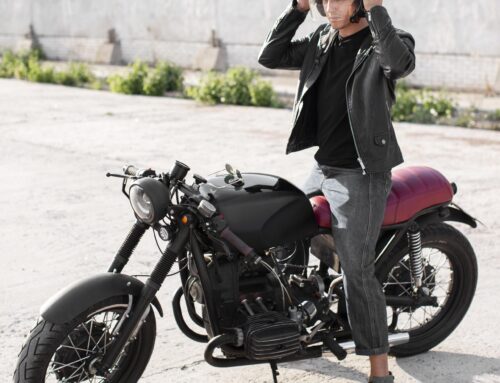
Owning an older motorbike often comes with a story. Whether it’s a classic café racer, a vintage British twin, or a well-loved Japanese icon, there usually comes a time when parting ways makes sense. Maybe space is tight, priorities have changed, or the next project is calling. Whatever the reason, selling an old motorbike in Australia today looks very different from how it once did.
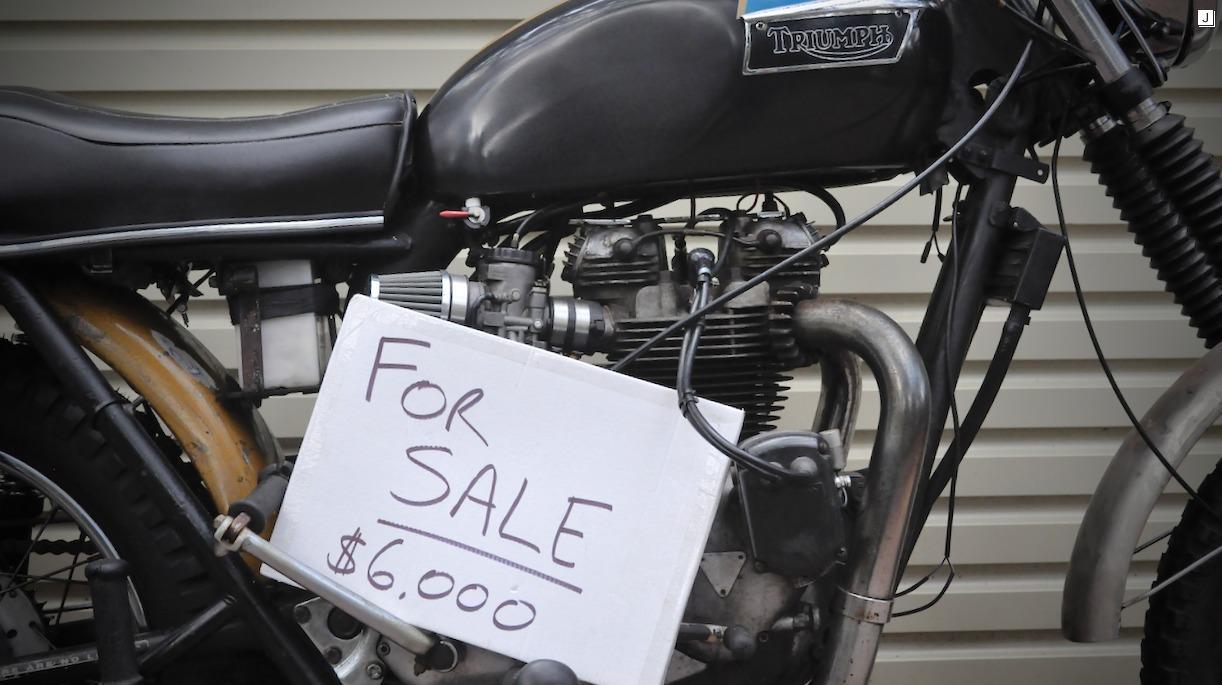
Gone are the days of parking the bike out front with a cardboard sign and waiting for a knock on the door. These days, the process is still straightforward, but it’s driven by preparation, pricing, and visibility online.
Step 1: Prepare the bike (without overdoing it)
One of the most common mistakes sellers make is assuming an older motorbike needs to be restored before it can be sold. In most cases, that simply isn’t true.
Buyers of older bikes generally expect character. Patina, age marks, and period wear are often part of the appeal. What does matter is presentation and honesty.
Focus on the basics:
-
Give the bike a proper clean
-
Polish paint and chrome where possible
-
Replace simple service items if due (oil, spark plugs, battery charge)
-
Inflate tyres and adjust the chain and brakes
If the bike can start and idle, even briefly, it immediately increases buyer confidence. A running bike tells a potential buyer that the engine and gearbox are fundamentally sound, which removes a lot of perceived risk.
Trying to hide flaws or rushing half-finished repairs usually backfires. Most experienced buyers would rather see the bike as-is than deal with unknown shortcuts.
Step 2: Set a realistic asking price
Pricing an older motorcycle is often the hardest part. Sentimental value rarely aligns with market value, so research is essential.
Start by looking at similar bikes currently for sale in Australia. Condition, originality, and completeness matter far more than the year on the compliance plate. Overseas listings can help provide context for rarer models, but local sales are the most relevant benchmark.
It’s also worth remembering that advertised prices are asking prices, not necessarily what bikes actually sell for. If a particular model has been sitting unsold for months, it’s probably overpriced.
Resources like enthusiast marketplaces and publications such as The Bike Shed Times are particularly useful for gauging the classic and vintage market, as they attract buyers who understand older machines and their true value.
Step 3: Reach the right buyers
Start close to home
Before advertising publicly, let people around you know the bike is for sale. Friends, riding groups, and motorcycle clubs often produce the fastest and easiest sales. There’s already a level of trust, and inspections are simpler.
Write a clear, honest listing
An advert doesn’t need to convince someone to buy the bike, it only needs to convince them to call or message you.
Include:
-
Make, model, and year
-
Whether it runs
-
Registration status
-
Asking price
-
Your contact details
Be upfront about condition using straightforward descriptions like average, good, or excellent. Most buyers know exactly what those terms mean and appreciate transparency.
Take quality photos
Photos are arguably more important than the written description. Poor images can stop a good bike from ever being considered.
Best practices include:
-
Use a neutral background (garage door, fence, plain wall)
-
Shoot in soft natural light (early morning or late afternoon)
-
Take photos at headlight height
-
Show the entire bike, straight and upright
-
Avoid cluttered sheds and harsh shadows
If possible, include close-ups of key details such as the engine, wheels, controls, and any notable modifications or accessories.

Choose the right platform
Where you advertise matters just as much as how you advertise. General classifieds can work, but specialist platforms attract buyers who already understand older bikes and are actively looking for them.
Targeting the right audience usually leads to fewer time-wasters and smoother negotiations.
Final thoughts
Selling an older motorbike is often the end of one chapter and the beginning of another. Whether you’re making room for a new project, downsizing your collection, or simply passing the bike on to its next custodian, taking the time to present it properly can make a meaningful difference to both the sale price and the experience.
If your bike needs a pre-sale service, safety check, or a bit of mechanical attention before hitting the market, professional servicing can help ensure it runs as it should and gives potential buyers confidence.
BM Bikes offers expert motorcycle servicing and inspections, from routine maintenance through to detailed mechanical work, helping owners prepare their bikes properly before sale.