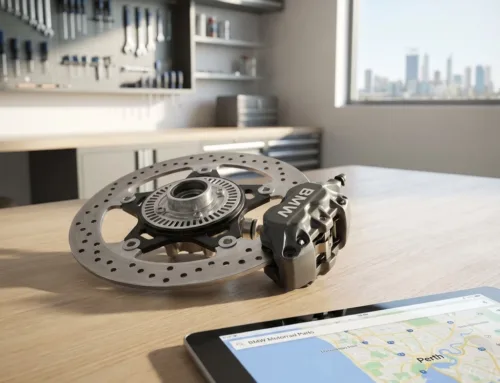
When it comes to maintaining or upgrading your BMW motorcycle, one of the key decisions you’ll face is whether to choose Original Equipment Manufacturer (OEM) parts or aftermarket parts. Each option has its own set of advantages and disadvantages. Understanding these can help you make an informed decision that balances quality, cost, and performance. Here’s a detailed look at both sides to guide you through your choices.
What are OEM Parts?
OEM parts are made directly by the motorcycle’s manufacturer, or under their direct supervision. For BMW motorcycles, these parts are designed with the exact specifications for each model, ensuring a perfect fit and function.
Pros of OEM Parts:
- Guaranteed Compatibility: OEM parts are designed specifically for your model, which means they will fit and function just like the original parts.
- Maintain Warranty: Using OEM parts generally helps in keeping your motorcycle’s warranty intact.
- Higher Quality Assurance: These parts are often subject to stringent quality control standards, ensuring high quality.
- Ease of Choice: With OEM parts, you don’t need to compare numerous brands and qualities; you get the standard part used during manufacturing.
Cons of OEM Parts:
- Cost: OEM parts are typically more expensive than aftermarket options because they carry the brand name premium.
- Availability: Depending on your location and the model of your motorcycle, some OEM parts can be hard to find or may require waiting periods.
What are Aftermarket Parts?
Aftermarket parts are produced by companies other than the original manufacturer. These parts are designed to function the same, or better, than the original parts but often come with variations in quality and price.
Pros of Aftermarket Parts:
- Cost-Effective: Generally, aftermarket parts are less expensive than OEM parts, which can be a major advantage if you’re working with a tight budget.
- Variety: There is a wide range of aftermarket parts available, offering different levels of performance, quality, and aesthetics.
- Availability: These parts are usually more readily available than OEM parts, and you can often find them at various retailers or specialty shops.
Cons of Aftermarket Parts:
- Variable Quality: The quality of aftermarket parts can vary significantly, making it crucial to purchase from reputable suppliers.
- Overwhelming Selection: The variety can be a double-edged sword, as it may be overwhelming and challenging to determine the best part for your needs.
- Potential Warranty Issues: Using aftermarket parts can sometimes void warranties if the part causes damage to the vehicle.
Making the Right Decision
Deciding between OEM and aftermarket parts often comes down to what you value most: the assurance of quality and compatibility or the opportunity for cost savings and variety. Here are a few tips to help you make the best choice:
- Assess the Importance of the Part: For critical components, such as those involved in the engine or safety systems, it might be safer to stick with OEM parts.
- Check Reviews and Recommendations: Look at reviews and ask for recommendations in motorcycle forums and from other BMW riders.
- Consider Your Motorcycle’s Warranty: If your motorcycle is still under warranty, check how using aftermarket parts might affect it.
By weighing these factors, you can make a decision that suits your needs, budget, and preferences, ensuring that your BMW motorcycle remains in top condition, performing excellently on every ride. Whether you choose OEM or aftermarket parts, always aim for the best balance between quality and cost.
At BM Bikes, we stock and have access to genuine BMW motorbike spares, parts (OEM & aftermarket) and accessories. Check out our online store here!